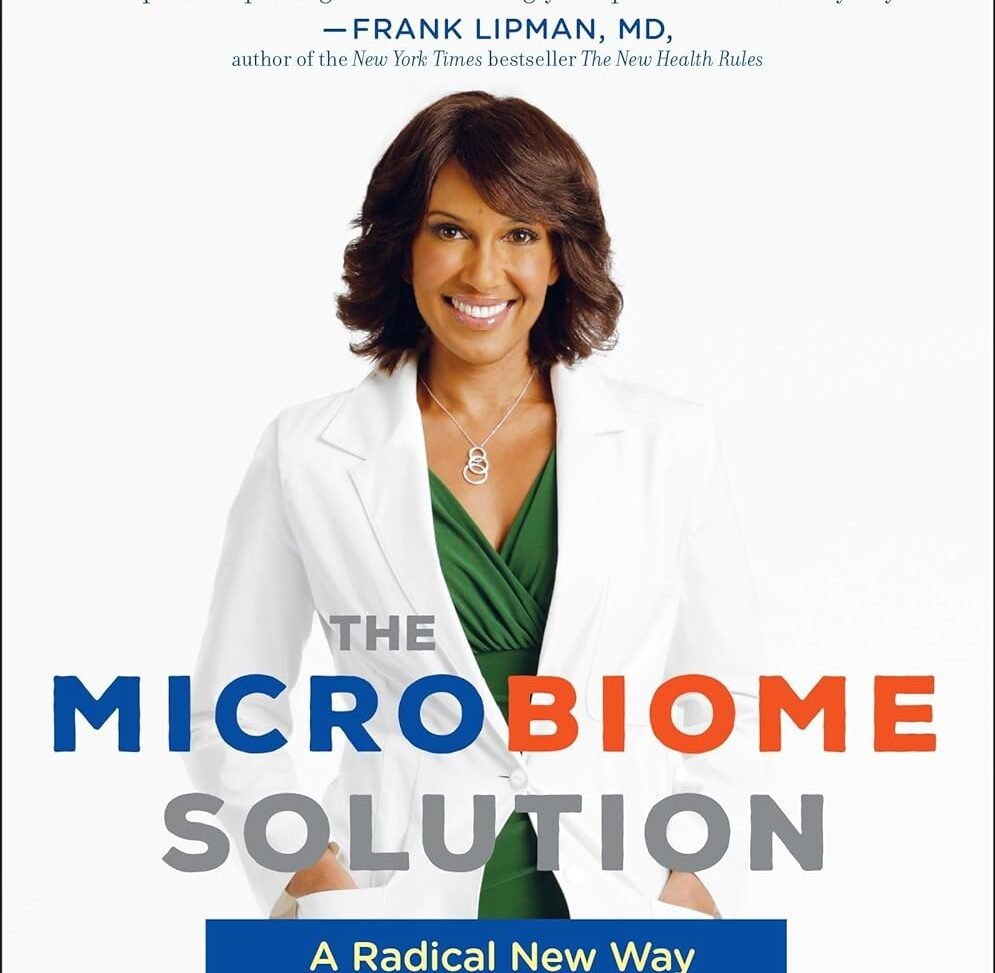
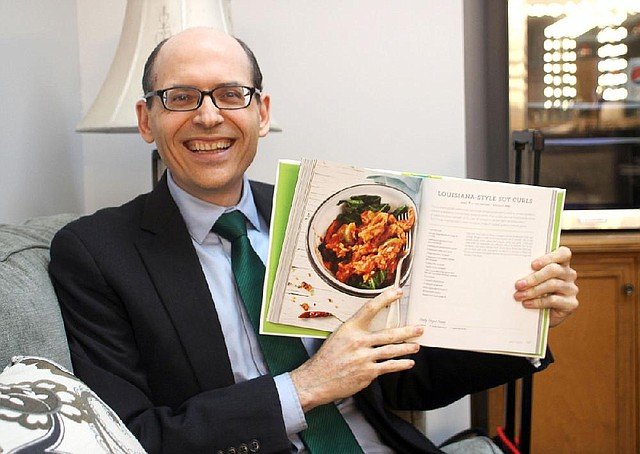
Food as medicine is a growing body of scientific understanding that brings modern research back into alignment with how humans have eaten for most of history. Writers and clinicians such as Michael Pollan, Michael Greger, and Robynne Chutkan approach the subject from different disciplines, yet arrive at a shared conclusion: real food, grown well and eaten regularly, plays a central role in preventing disease and supporting long-term health.
For decades, nutrition advice focused heavily on isolated nutrients like fat, cholesterol, protein, and vitamins. Food became something to engineer rather than something to cultivate. This way of thinking led to highly processed products designed to meet nutritional targets while drifting further away from whole food. In contrast, research consistently shows that diets centred on real, minimally processed foods are associated with better health outcomes across populations.
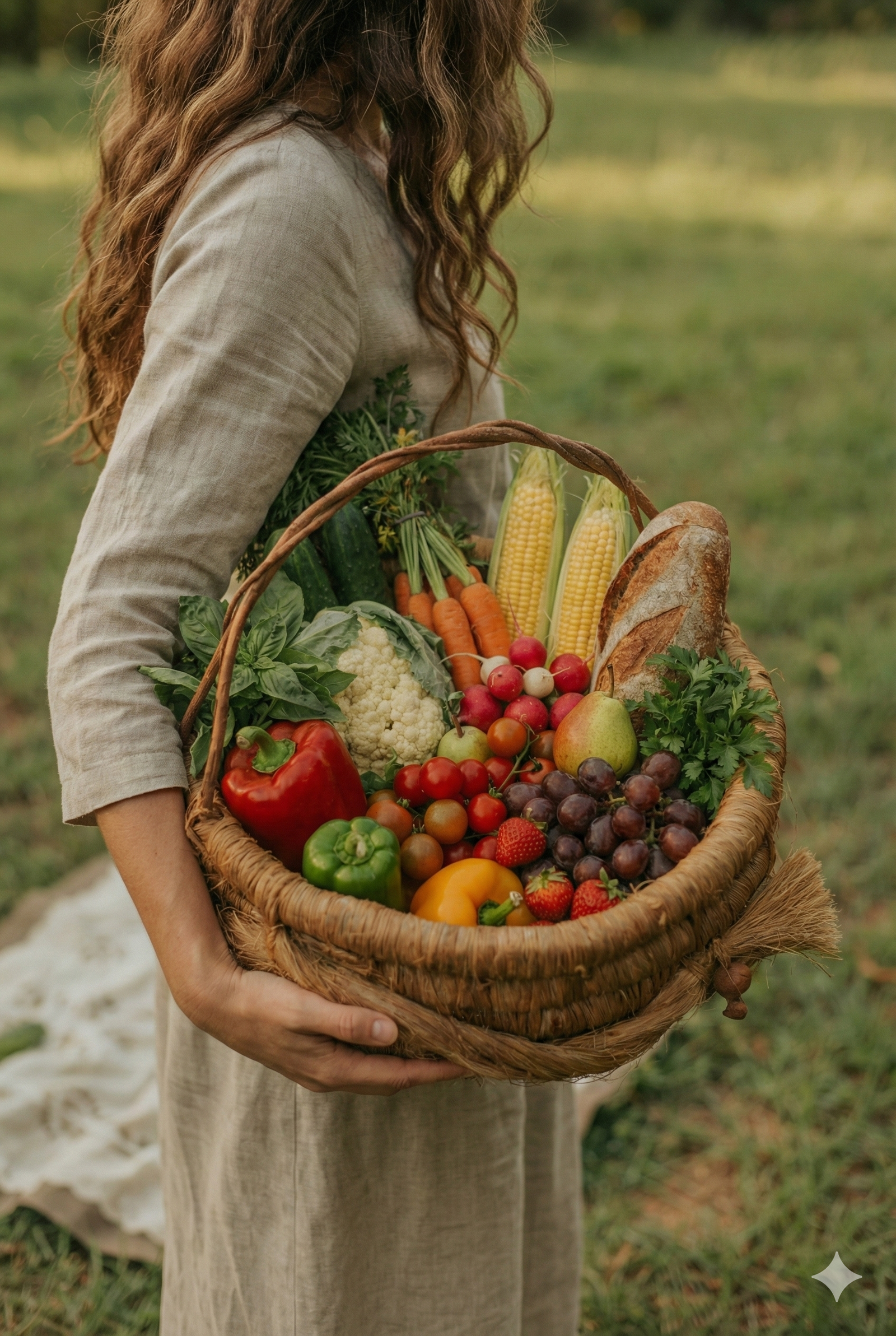
Whole foods contain complex combinations of fibre, micronutrients, antioxidants, and plant compounds that work together in ways science is still uncovering. Vegetables, legumes, whole grains, fruits, nuts, seeds, and traditionally prepared foods provide a level of biological complexity that cannot be replicated by supplements or processed alternatives. When food is eaten in its whole form, the body is better able to recognise, absorb, and utilise its nutrients.
How food is grown also matters. Organically grown produce has been shown to contain higher levels of certain antioxidants and polyphenols, compounds linked to reduced inflammation and cellular protection. At the same time, organic farming reduces exposure to synthetic pesticides and herbicides, which can interfere with gut bacteria and hormonal systems. From a food-as-medicine perspective, organic food supports health both by increasing nutrient density and by reducing the chemical burden on the body.
Gut health sits at the centre of this conversation. The gut microbiome, made up of trillions of bacteria living in the digestive tract, plays a critical role in immune function, digestion, inflammation regulation, metabolism, and mental health. When this microbial ecosystem is diverse and well supported, it acts as a powerful internal defence system. When it is disrupted, the risk of chronic disease increases.
Diet is one of the most influential factors shaping the microbiome. Beneficial gut bacteria thrive on fibre and plant diversity, not refined sugars, additives, or ultra-processed foods. Fibre-rich plant foods feed these microbes, allowing them to produce compounds that strengthen the gut lining, regulate immune responses, and reduce systemic inflammation. In this way, food does not simply fuel the body but actively participates in its ability to resist disease.
Fermented foods play an important supporting role. Traditional cultures across the world included fermented foods as a regular part of daily life, long before science could explain their benefits. Foods such as kimchi, pickled vegetables, sauerkraut, and kombucha introduce beneficial bacteria and help maintain microbial diversity. When combined with a fibre-rich diet, fermented foods support digestive resilience and overall wellbeing.
Food as medicine is best understood as preventative rather than reactive. Most chronic diseases develop slowly over time, shaped by daily habits rather than single events. The foods eaten day after day influence inflammation, immune function, metabolic health, and disease risk. Choosing whole, mostly plant-based foods, prioritising organic and seasonal produce where possible, and supporting gut health through fibre and fermentation creates internal conditions where illness struggles to take hold.
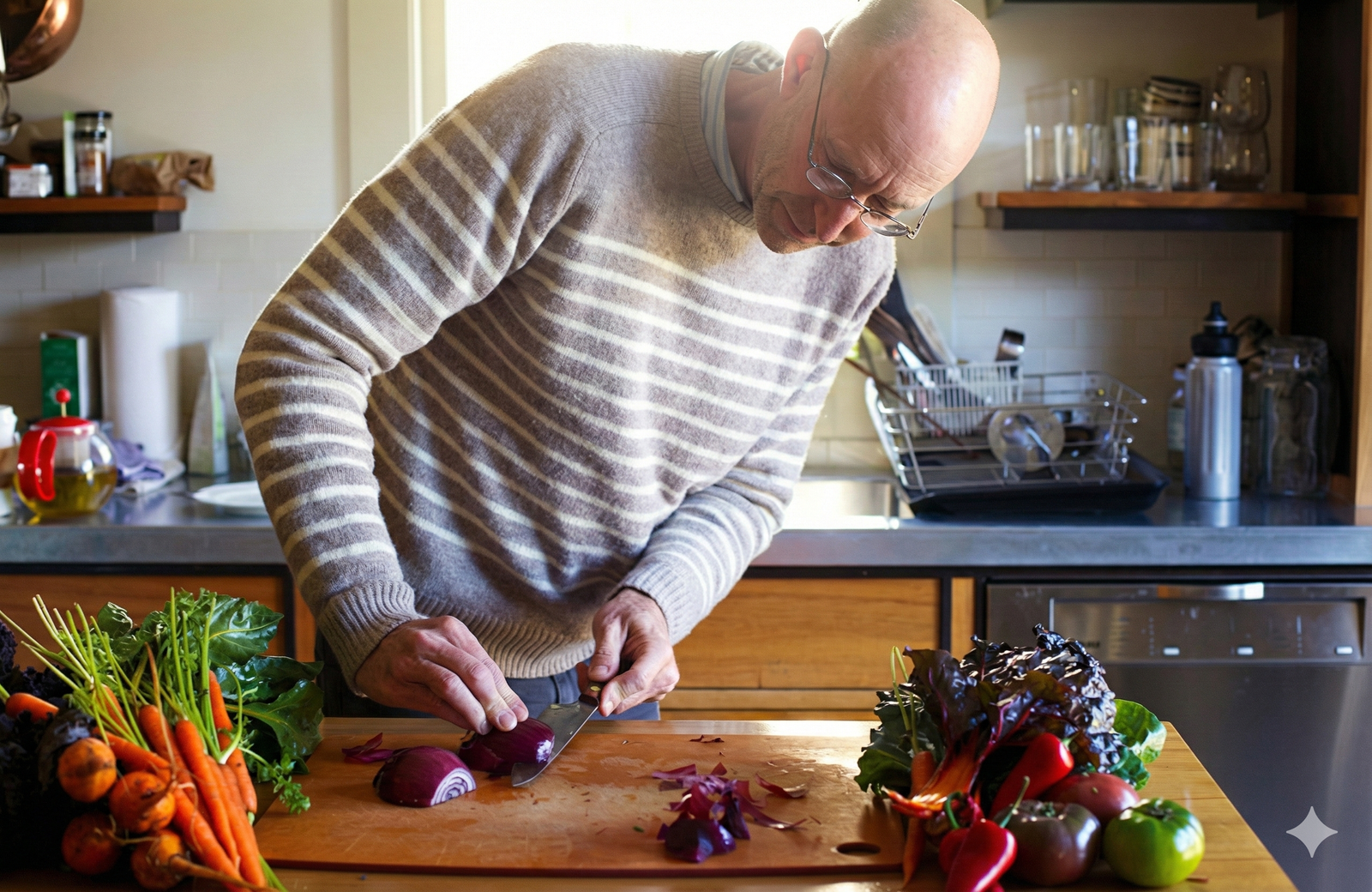
This way of eating is not a diet or a set of rigid rules. It is a long-term approach grounded in simplicity. Eating real food, eating a wide variety of plants, choosing food grown with care, and sharing meals with others supports not only physical health but emotional wellbeing, social connection, and resilience.
At Maintaining Eden, this understanding shapes how food is sourced, prepared, and shared. The belief is simple: when food is grown well, prepared simply, and eaten with intention, it supports strong bodies, healthier communities, and a more resilient future.